

Small period blood clots during heavy flow are usually normal. However, clots larger than 2–3 cm, severe pain, dizziness, or bleeding lasting more than 7 days may indicate fibroids, hormonal imbalance, or other medical conditions.
The truth? Sometimes it’s completely normal. Other times, it may signal an underlying hormonal or uterine condition.
At Srishti Hospital and IVF Centre in Jaipur our Senior Gynaecologist and Fertility Specialist regularly treat women experiencing heavy bleeding, period chunks, dizziness during periods, and abnormal clotting patterns. This detailed guide will help you understand what’s normal, what’s not, and when to consult a specialist.

What Are Period Blood Clots?
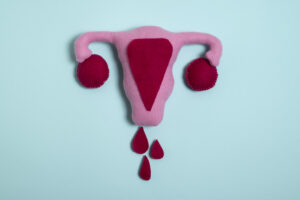
During menstruation, the uterus sheds its inner lining. When bleeding is slightly heavy, blood collects briefly inside before flowing out. When this blood thickens, it forms what we call period blood clots.
They can look like:
- Dark red or maroon jelly
- Bright red period blood with clots
- Small tissue-like pieces
- Sticky, thick chunks
Small clots during the first 1–2 heavy days are common and usually harmless.
What Size of Clot Is Considered Normal?
A helpful way to understand this is by size comparison.
| Clot Size | Is It Normal? | Medical Attention Needed? |
| Small (pea-sized) | Yes | No |
| Coin-sized (1–2 cm) | Often normal | Monitor |
| Larger than ₹5 coin repeatedly | Not typical | Yes |
| Golf-ball sized or frequent | Concerning | Immediate consultation |
Very large clots during period cycles, especially if accompanied by heavy bleeding (period me blood jyada aana), should never be ignored.
Why Do Clots Form During Periods?
Many women ask, “why clots in periods happen suddenly?” The answer usually lies in one of these reasons:
1. Heavy Menstrual Flow (Period Me Blood Jyada Aana)
When bleeding is heavy, the body cannot break down blood fast enough. It thickens and forms clots.
If you are changing pads every hour, that is not just heavy — that needs medical review.
(Internal linking suggestion: link heavy menstrual bleeding treatment to service page.)
2. Hormonal Imbalance
Your period depends on estrogen and progesterone balance. If this balance shifts, the uterine lining becomes thicker than usual. When it sheds, flow becomes heavier and clotting increases.
3. Fibroids
Fibroids are non-cancerous growths inside the uterus. They are common in women in their 30s and 40s. One major symptom is heavy flow with clots.
(Internal linking suggestion: link fibroid treatment in Jaipur.)
4. Early Pregnancy Loss
Sometimes women experience blood clots but no period. If there was a chance of pregnancy, this could be very early miscarriage. This is why evaluation is important.
At Srishti IVF Hospital in Jaipur, ultrasound and hormone testing help clarify the exact reason quickly and safely.
Bright Red Period Blood With Clots – Should You Panic?
Not always.
Bright red blood usually means fresh bleeding. On day 1 or 2, it is common. But if you notice:
- Continuous heavy bleeding
- Severe cramps
- Weakness
- Dizziness
Then yes, it should be evaluated.
Can periods cause dizziness? Yes. Excess blood loss can reduce iron levels and lead to anemia. Many women ignore this until they feel extreme fatigue.

Tissue in Period – Is It Something Serious?
Some women say, “I saw tissue, not just blood.”
This may simply be uterine lining shedding. But in rare cases, it could indicate:
- Decidual cast
- Hormonal disorder
- Early pregnancy tissue
If pain is severe or unusual, don’t self-diagnose.
Is Blood Clot in Uterus Dangerous?
Occasional clotting is part of menstruation.
However, repeated period blood clots that are large and painful may signal:
- Adenomyosis
- Endometriosis
- Thyroid imbalance
- Bleeding disorders
Persistent symptoms should never be brushed aside as “just my normal.”
Normal vs Abnormal Clots – Quick Comparison
| Feature | Normal | Needs Medical Check |
|---|---|---|
| Size | Small, pea-sized | Larger than ₹10 coin |
| Duration | 1–2 heavy days | Throughout cycle |
| Pain | Mild cramps | Severe pain |
| Flow | Manageable | Soaking pads hourly |
| Dizziness | No | Yes |
Blood Clots But No Period – What Does It Mean?
This situation confuses many women.
Possible causes include:
- Hormonal fluctuation
- PCOS
- Implantation bleeding
- Early miscarriage
- Cervical or uterine issue
If cycles are irregular along with clotting, professional consultation is important.

When Should You See a Doctor Immediately?
Please don’t wait if you experience:
- Clots larger than a coin regularly
- Period lasting more than 7 days
- Severe pelvic pain
- Dizziness or fainting
- Soaking pad within an hour
- Bleeding between cycles
Your body gives warning signs. Listening early prevents complications.
Do Period Blood Clots Affect Fertility?
Occasional clotting does not reduce fertility.
But if the cause is fibroids, endometriosis, or hormonal imbalance, untreated conditions can make conception difficult.
At Srishti IVF Hospital in Jaipur, menstrual health is considered a vital sign of reproductive health. Our specialists evaluate both bleeding patterns and fertility goals together.
How Doctors Diagnose Abnormal Clotting
Evaluation may include:
- Pelvic ultrasound
- Hormone blood test
- Thyroid profile
- Hemoglobin check
- Endometrial assessment (if needed)
Accurate diagnosis prevents unnecessary anxiety.
Treatment Options (Based on Cause)
Treatment is never “one-size-fits-all.”
It depends on the root cause.
- Hormonal therapy for imbalance
- Iron supplements for anemia
- Medication for heavy bleeding
- Fibroid management
- Advanced fertility support if required
Lifestyle also matters:
- Balanced diet
- Regular exercise
- Stress management
- Maintaining healthy weight
Small consistent changes improve menstrual health.
Common Myths You Should Stop Believing
❌ All clots mean cancer
❌ Natural remedies cure fibroids permanently
❌ Painful heavy periods are always normal
❌ Only older women get clots
Every woman’s body is different. Comparison is not diagnosis.
People Also Ask – Period Blood Clots
Are period blood clots normal?
Small clots during heavy flow days are usually normal. Very large clots or excessive bleeding need medical evaluation.
Why do I get clots during my period?
Clots form when menstrual blood pools and coagulates before leaving the uterus. Heavy bleeding is a common cause.
Is bright red blood with clots dangerous?
Bright red blood with small clots can be normal. Large clots with heavy flow require medical advice.
Can heavy periods cause dizziness?
Yes. Heavy bleeding may lead to anemia, which causes dizziness and weakness.
What causes very large clots during period cycles?
Fibroids, hormonal imbalance, adenomyosis, or thyroid disorders may cause large clots.
Should I worry about blood clots but no period?
If clots occur without regular menstruation, consult a gynecologist to rule out hormonal or pregnancy-related causes.
Medical Disclaimer
This article is for educational purposes only and does not replace professional medical advice. Always consult a qualified gynecologist for diagnosis and treatment.
follow us on Instagram and on Facebook