

A bulky uterus is a common gynecological condition that many women come across during ultrasound reports but often don’t fully understand. If you’ve ever read terms like “uterus bulky in size” or “mildly bulky uterus”, it can naturally cause concern
But is a bulky uterus dangerous? Does it affect pregnancy? And when should you seek treatment?
In this comprehensive guide, we’ll break down everything—from bulky uterus causes and symptoms to treatment options and pregnancy impact, with expert insights from Srishti IVF Hospital and gynecologist Mamta Gupta.
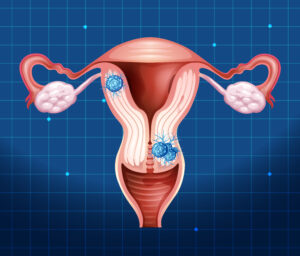
1. What Is a Bulky Uterus? – Meaning and Definition
A bulky uterus means the uterus is enlarged — it is bigger than its normal, healthy size. In medical terms, the uterus is described as bulky when it measures larger than typical healthy dimensions on an ultrasound report.
The normal size of a uterus in a non-pregnant woman is approximately 7.5 cm (length) × 5 cm (width) × 2.5 cm (depth). When measurements exceed this range, the uterus is reported as bulky in size.
Quick Reference Table
| Parameter | Details |
| Medical Term | Enlarged / Bulky Uterus |
| Normal Uterus Size | ~7.5 × 5 × 2.5 cm |
| Bulky Uterus Size | Exceeds normal measurements |
| Detected By | Ultrasound (USG Pelvis) |
| Most Common Cause | Fibroids or Adenomyosis |
| Is it dangerous? | Depends on underlying cause |
| Can it affect pregnancy? | Yes, if untreated |
A mildly bulky uterus means the enlargement is minor — often just slightly above normal range. This is a common finding, especially in women who have had children or are approaching perimenopause. It does not always require immediate treatment but must be monitored.
2. Bulky Uterus Reasons – What Causes It?
There are several conditions that can cause the uterus to become bulky. Understanding the root cause is the first step toward the right treatment.
A. Uterine Fibroids (Most Common Cause)
Fibroids are non-cancerous growths that develop in or on the uterine wall. A bulky uterus with fibroid is one of the most frequently reported ultrasound findings in women aged 30–50. Fibroids can range from tiny seedlings to large masses that distort the uterus’s shape and size.
• Type: Submucosal, Intramural, Subserosal
• Symptoms: Heavy periods, pelvic pressure, back pain
• Effect on fertility: Can block fallopian tubes or implantation
B. Adenomyosis
Adenomyosis occurs when the tissue that normally lines the uterus (endometrium) grows into the muscular wall of the uterus (myometrium). This causes the uterine wall to thicken, making the uterus bulky. It is a leading cause of painful, heavy periods and is strongly associated with infertility.
C. Polycystic Ovary Syndrome (PCOS)
PCOS-related hormonal imbalances can cause the uterine lining to thicken over time, contributing to an enlarged uterus. Women with PCOS who have irregular or infrequent periods are at higher risk.
D. Endometrial Hyperplasia
This condition involves an abnormal thickening of the uterine lining due to excess estrogen. If untreated, some forms can progress to uterine cancer. A bulky uterus with endometrial thickening on ultrasound must always be evaluated by a specialist.
E. Uterine Polyps
Small, soft growths on the inner lining of the uterus can contribute to a bulky appearance and cause irregular or heavy bleeding.
F. Cervical Causes
In some reports, a bulky cervix or cervix bulky finding is also noted alongside a bulky uterus. This may indicate cervicitis, nabothian cysts, or other cervical conditions that require separate evaluation.
G. Pregnancy (Early)
Bulky uterus in early pregnancy is normal — the uterus naturally enlarges from the moment of conception. However, if an ultrasound shows a bulky uterus without a confirmed pregnancy, it warrants investigation.
📌 Important: Multiple causes can co-exist. For example, a woman may have a bulky uterus with fibroid AND adenomyosis simultaneously. This is why a thorough evaluation at a specialist center like Srishti IVF Hospital, Jaipur is essential.
3. Bulky Uterus Symptoms – How to Recognise It
Many women with a mildly bulky uterus have no symptoms at all — it is discovered incidentally during a routine ultrasound. However, when symptoms are present, they can significantly impact quality of life.
Common Symptoms of Bulky Uterus:
• Heavy or Prolonged Periods: Soaking through pads or tampons, periods lasting more than 7 days
• Pelvic Pain or Pressure: A feeling of fullness or heaviness in the lower abdomen
• Painful Periods (Dysmenorrhea): Severe cramping, especially with adenomyosis
• Frequent Urination: Enlarged uterus pressing on the bladder
• Constipation or Back Pain: Pressure on the rectum or spine
• Irregular Periods: Unpredictable cycle length or flow
• Bloating or Abdominal Swelling: Visible abdominal enlargement in severe cases
• Pain During Intercourse: Especially common with adenomyosis or fibroids
• Difficulty Conceiving: Due to disrupted implantation or blocked tubes
💡 If you experience 3 or more of these symptoms, do not ignore them. Early diagnosis at Srishti IVF Hospital, Jaipur can prevent complications and protect your fertility.
4. Is Bulky Uterus Dangerous? – Should You Worry?
This is one of the most common questions Dr. Mamta Gupta receives: Is a bulky uterus dangerous or good or bad?
The honest answer: It depends entirely on the underlying cause.
| Cause | Danger Level | Action Required |
| Mildly Bulky (no cause) | Low | Monitor + follow-up |
| Fibroids (small) | Low–Medium | Medication or watchful waiting |
| Fibroids (large) | Medium | Surgery may be needed |
| Adenomyosis | Medium | Hormonal therapy or surgery |
| Endometrial Hyperplasia | Medium–High | Immediate specialist care |
| Suspected malignancy | High | Urgent specialist referral |
A mildly bulky uterus in a woman with no symptoms is generally not an emergency. However, it should never be dismissed without understanding why it is bulky. A specialist consultation is always the right step.
5. Bulky Uterus and Pregnancy – What Happens?
One of the biggest concerns women have is: What happens if the uterus is bulky — can I still get pregnant?
The answer is: Yes, pregnancy is possible with a bulky uterus — but the outcome depends on the cause and severity.
How a Bulky Uterus Affects Pregnancy:
• Fibroids: Submucosal fibroids can block the fallopian tubes or prevent embryo implantation, leading to infertility or miscarriage
• Adenomyosis: Reduces uterine receptivity, making it harder for an embryo to implant — a key cause of IVF failure
• Endometrial Issues: A thickened or distorted uterine lining reduces the chances of successful implantation
• Mildly Bulky Uterus: Often does not affect pregnancy, especially in women who have previously conceived
Bulky Uterus in Early Pregnancy:
If you are already pregnant and your ultrasound shows a bulky uterus, this may simply reflect the natural enlargement of the uterus in early pregnancy. However, if fibroids are also present, your doctor will monitor their size and location closely as they can sometimes grow during pregnancy due to hormonal changes.
📌 Dr. Mamta Gupta’s Advice: Women with a bulky uterus who are planning to conceive should get a full evaluation — including sonography, hormonal tests and if needed, hysteroscopy — before attempting conception or IVF. Treating the underlying cause first significantly improves pregnancy success rates.
6. How to Treat Bulky Uterus – Complete Treatment Guide
The treatment for a bulky uterus depends entirely on its cause, the severity of symptoms, and whether the woman wishes to preserve her fertility. Dr. Mamta Gupta at Srishti IVF Hospital, Jaipur tailors every treatment plan to the individual patient.
A. Medical (Hormonal) Treatment
• Oral Contraceptive Pills: Help regulate periods and reduce heavy bleeding
• Progesterone Therapy: Reduces endometrial thickening and adenomyosis symptoms
• GnRH Agonists: Temporarily shrink fibroids and reduce uterus size before surgery
• Levonorgestrel IUD (Mirena): Effective for adenomyosis — reduces bleeding and pain
• NSAIDs: For pain management during periods
B. Surgical Treatment
• Myomectomy: Surgical removal of fibroids while preserving the uterus — ideal for women wanting to conceive
• Hysteroscopy: Minimally invasive removal of polyps or submucosal fibroids
• Laparoscopy: Used for deep adenomyosis or endometriosis treatment
• Uterine Artery Embolization (UAE): Cuts off blood supply to fibroids, causing them to shrink
• Hysterectomy: Complete removal of the uterus — only recommended when fertility is not required and other treatments have failed
C. Lifestyle and Natural Support
• Anti-inflammatory diet: reduce red meat, processed foods, increase leafy greens and omega-3
• Maintain a healthy weight — excess estrogen from fat cells can worsen fibroid growth
• Yoga and stress reduction — cortisol imbalance worsens hormonal conditions
• Iron supplementation if heavy bleeding has caused anaemia
💡 How to treat bulky uterus: There is no one-size-fits-all approach. The best results come from a personalized plan by an experienced gynecologist. At Srishti IVF Hospital, Jaipur, Dr. Mamta Gupta combines medical, surgical and fertility-focused treatments for the best outcomes.
7. Mildly Bulky Uterus – Should You Be Concerned?
A mildly bulky uterus is one of the most common ultrasound reports seen in women between the ages of 30 and 50. The word ‘mildly’ is important — it indicates that the enlargement is minor.
Mildly bulky uterus means the uterus is slightly larger than average, but the increase is not dramatic. Common reasons include:
• History of one or more pregnancies
• Perimenopause (hormonal fluctuations)
• Small fibroids or minor adenomyosis
• Hormonal imbalance
In many cases, a mildly bulky uterus requires no treatment — only regular monitoring with annual ultrasounds and gynecological check-ups. However, it should never be self-diagnosed or ignored without professional evaluation.
8. Consult Dr. Mamta Gupta at Srishti IVF Hospital, Jaipur
Srishti IVF Hospital in Jaipur is a leading fertility and gynecology centre offering comprehensive care for women with uterine conditions, hormonal disorders, and fertility challenges.
Dr. Mamta Gupta – Specialisation:
• Gynecologist & Obstetrician
• IVF and Fertility Specialist
• Expert in Fibroids, Adenomyosis and Uterine Disorders
• Laparoscopic and Hysteroscopic Surgeon
• High-Risk Pregnancy Management
When to See Dr. Mamta Gupta Immediately:
• Ultrasound report says ‘bulky uterus’ or ‘uterus bulky in size’
• Heavy, painful or irregular periods for more than 3 months
• Difficulty conceiving for over 6–12 months
• Pelvic pain, pressure or bloating that interferes with daily life
• Previous IVF failures with no clear explanation
• Bulky uterus with fibroid finding on ultrasound
People Also Ask
1. Is bulky uterus good or bad?
It is not always bad, but it depends on the cause. Some cases are harmless, while others need treatment.
2. Can bulky uterus affect pregnancy?
Yes, in some cases it may affect fertility or pregnancy, but many women conceive successfully.
3. How to treat bulky uterus?
Treatment includes medications, lifestyle changes, and sometimes surgery depending on the cause.
4. What causes bulky uterus?
Common causes include fibroids, adenomyosis, hormonal imbalance, and early pregnancy.
5. Is mildly bulky uterus dangerous?
Usually not. It often requires monitoring rather than treatment.
6. Can bulky uterus go back to normal?
Yes, with proper treatment and hormonal balance, it can return to normal size.