

Author name: srishtifertility

Cure of Infertility

Beyond Barriers: Navigating the Landscape of Infertility Causes and Solutions

Beyond Barriers: Navigating the Landscape of Infertility Causes and Solutions Infertility is a deeply personal and often emotionally challenging issue that affects millions of couples worldwide. It’s a condition that can shatter dreams of parenthood and cause immense stress and heartache. In this comprehensive blog, we will explore what infertility is, its causes, and the available treatment options. We’ll also delve into fertility testing, focusing on female infertility. Let’s begin by defining infertility and gaining a better understanding of this complex issue. What is Infertility? Infertility is a medical condition characterized by the inability to conceive a child despite regular, unprotected sexual intercourse for an extended period, typically one year for women under 35 and six months for women over 35. Both men and women can experience infertility, but for this blog, we’ll primarily focus on female infertility. Female Infertility Infertility in women can result from various factors, including problems with ovulation, blockages in the fallopian tubes, or issues with the uterus or cervix. Let’s look at some typical reasons for female infertility. Causes of Female Infertility Ovulatory Disorders: Irregular or absent ovulation is a leading cause of female infertility. The normal release of eggs might be hampered by ailments such hypothalamus dysfunction and polycystic ovarian syndrome (PCOS). Factors related to the tubum: Fertilisation can be hampered by blocked or damaged fallopian tubes, which prevent the egg from contacting the sperm. Infections, pelvic inflammatory disease, or previous surgeries can cause tubal issues. Uterine Abnormalities: Abnormalities in the structure of the uterus, such as fibroids, polyps, or adhesions, can interfere with embryo implantation. Cervical Factors: Problems with cervical mucus, such as thickening or hostility to sperm, can make it difficult for sperm to reach and fertilize the egg. Endometriosis: This disorder develops when uterine-lining-like tissue spreads outside the uterus. By inflaming the fallopian tubes or obstructing them, endometriosis can have an impact on fertility. Age: As a woman ages, her fertility decreases as her quality and number of eggs drop, especially beyond the age of 35. Lifestyle Factors: Smoking, excessive alcohol consumption, obesity, and stress can all contribute to female infertility. Fertility Testing for Women If a woman suspects she may be experiencing infertility, a series of tests can help diagnose the underlying causes. These tests aim to evaluate various aspects of reproductive health, such as ovulation, egg quality, fallopian tube function, and the condition of the uterus and cervix. Common Fertility Tests for Women: Ovulation Tracking: This involves monitoring basal body temperature, cervical mucus, and using ovulation predictor kits to determine if and when ovulation occurs. Hormone Testing: Blood tests can measure hormone levels, such as follicle-stimulating hormone (FSH), luteinizing hormone (LH), and estradiol, to assess ovarian function. Hysterosalpingography (HSG): A special X-ray test that checks for blockages or abnormalities in the fallopian tubes and the uterine cavity. Pelvic Ultrasound: This imaging technique can detect structural issues in the reproductive organs, like fibroids or cysts. Laparoscopy: A surgical procedure where a thin tube with a camera is inserted through a small incision to examine the pelvic organs closely. Ovarian Reserve Testing: Measures the quantity and quality of a woman’s eggs, often done through blood tests and ultrasound. Once the underlying cause of infertility is identified through these tests, appropriate treatment can be recommended. Infertility Treatment Options Lifestyle Modifications: In some cases, simple lifestyle changes such as weight loss, smoking cessation, and stress reduction can improve fertility. Medications: Fertility drugs, like clomiphene citrate and gonadotropins, can stimulate ovulation in women with ovulatory disorders. Intrauterine Insemination (IUI): Also known as artificial insemination, this procedure involves placing sperm directly into the uterus during ovulation to increase the chances of fertilization. In Vitro Fertilization (IVF): IVF is a highly effective assisted reproductive technology. It involves retrieving eggs, fertilizing them with sperm in a laboratory, and then transferring the resulting embryos into the uterus. IVF Procedure The IVF procedure can be broken down into several key steps: Taking fertility drugs helps the woman’s ovaries generate more eggs by stimulating them. Egg Recovery: A minimally invasive process is used to remove the eggs from the ovaries. Fertilisation: In a lab, sperm is used to fertilise the recovered eggs. Fertilised eggs (also known as embryos) are cultivated and watched over for a number of days. Embryo Transfer: One or more healthy embryos are selected and transferred into the woman’s uterus. About two weeks following the embryo transfer, a pregnancy test is done to see if the operation was successful. Surgery: In cases where structural issues, such as uterine fibroids or tubal blockages, are the cause of infertility, surgical procedures may be necessary to correct these problems. Donor Eggs or Sperm: In situations where a woman’s eggs or a man’s sperm are of poor quality or unavailable, using donor eggs or sperm may be an option. Surrogacy: When a woman is unable to carry a pregnancy to term due to medical conditions, surrogacy allows another woman to carry and deliver the baby on her behalf. Conclusion Infertility is a complex and emotionally challenging issue, but it’s important to remember that you are not alone. Many couples facing infertility go on to achieve their dream of parenthood with the help of advancements in fertility treatment and support from healthcare professionals. Understanding the causes of infertility, undergoing fertility testing, and exploring treatment options like IVF can offer hope to those struggling to conceive. If you or a loved one are experiencing infertility, seek guidance from a healthcare provider who specializes in reproductive medicine. With the right care and support, the path to parenthood can become a reality.

Beyond Barriers: Navigating the Landscape of Infertility Causes and Solutions Read More »
breastfeeding problems

Overcoming Breastfeeding Problems: A Comprehensive Guide

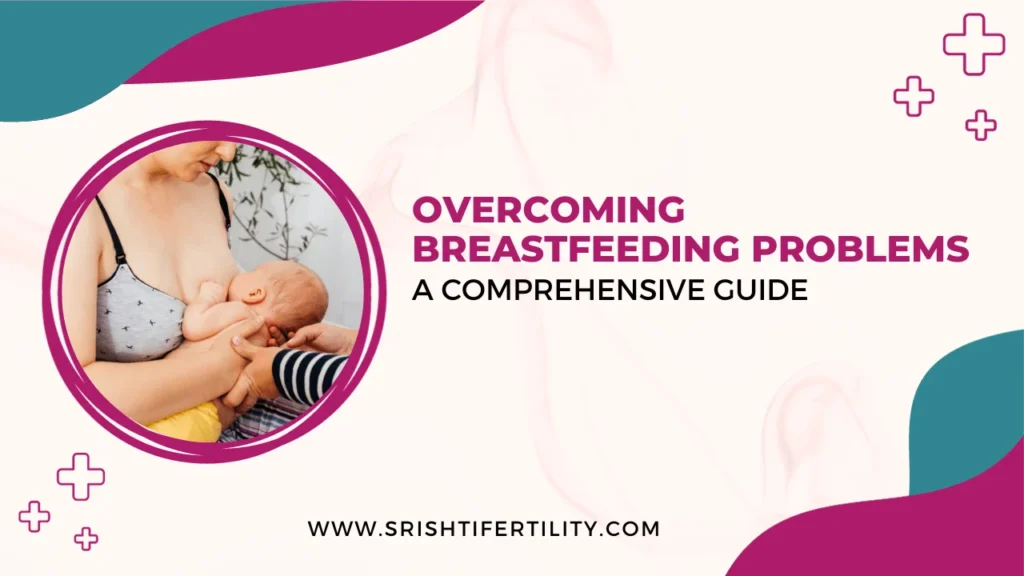
Overcoming Breastfeeding Problems: A Comprehensive Guide Breastfeeding is a natural and beautiful way to nourish your baby, offering numerous benefits for both mother and child. However, it’s not always a smooth journey, as many mothers encounter breastfeeding problems along the way. These issues can range from discomfort and pain to more complex challenges like low milk supply or latch difficulties. In this comprehensive guide, we will explore common breastfeeding problems, their causes, and effective solutions to ensure a successful and fulfilling breastfeeding experience. Breast Pain During Feeding Breast pain during feeding can be a distressing experience for new mothers. It is often caused by various factors, including: 1.1 Engorgement: Engorgement occurs when your breasts become overfilled with milk, making them hard and painful. This can lead to discomfort during feeding. 1.2 Improper Latch: An incorrect latch can put excess pressure on your nipples, leading to pain. Ensuring a proper latch is essential to prevent this issue. 1.3 Thrush: A fungal infection called thrush can affect both the mother’s nipples and the baby’s mouth, causing pain and discomfort during breastfeeding. 1.4 Mastitis: Mastitis is a painful inflammation of the breast tissue, often accompanied by flu-like symptoms. It requires prompt medical attention. Solutions: Ensure a proper latch by seeking guidance from a lactation consultant. Apply warm compresses before feeding to ease engorgement. If thrush or mastitis is suspected, consult a healthcare professional for appropriate treatment. Breast Pain After Feeding Experiencing breast pain after feeding is another common issue faced by breastfeeding mothers. There are a number of things that might cause this discomfort: 2.1 Poor Latch: An inadequate latch can cause nipple damage and pain during and after feeding. 2.2 Plugged Ducts: When milk ducts become blocked, it can result in pain, redness, and swelling in the breast. 2.3 Infection: In some cases, infection can be the source of post-feeding breast pain. Solutions: Make sure the clasp is secure to avoid nipple injury. Use different breastfeeding positions to help drain the breast effectively and prevent plugged ducts. Consult a healthcare professional if you suspect an infection. Breast Pain While Feeding Breast pain while feeding can make breastfeeding an uncomfortable experience for both mother and baby. The causes of this pain can include: 3.1 Nipple Trauma: Nipple trauma can result from an improper latch or excessive friction during feeding. 3.2 Inverted Nipples: Inverted or flat nipples can lead to pain during breastfeeding due to difficulty in achieving a good latch. Solutions: Correct the latch to minimize nipple trauma. Consider using nipple shields to help with latch issues caused by inverted nipples. Seek guidance from a lactation consultant for personalized solutions. Breastfeeding Difficulties Breastfeeding problems can encompass a wide range of challenges beyond just pain. Some common breastfeeding difficulties include: 4.1 Low Milk Supply: Low milk supply can cause frustration and anxiety for mothers who worry about providing enough nourishment for their baby. 4.2 Oversupply: On the other hand, an oversupply of milk can lead to issues such as engorgement and a forceful letdown, making breastfeeding challenging for both mother and baby. 4.3 Latch Problems: Difficulties in achieving a proper latch can result in ineffective feeding sessions. 4.4 Lactation Issues: Some mothers may experience medical or hormonal issues that affect their ability to produce milk. Solutions: Consult a lactation consultant to address latch and milk supply concerns. Maintain a healthy diet and stay well-hydrated to support milk production. Seek medical advice if you suspect underlying lactation issues. Inverted Nipple and Breastfeeding Inverted nipples can pose a unique challenge for breastfeeding mothers. These nipples retract inward instead of protruding, making it more difficult for the baby to latch properly. Solutions: Nipple shields can help draw out inverted nipples and provide a surface for the baby to latch onto. Gentle nipple stimulation and the use of breast shells may encourage nipple protrusion over time. Seeking Professional Help When facing breastfeeding problems, it’s essential to remember that you don’t have to navigate these challenges alone. Seeking professional help from a lactation consultant or healthcare provider can make a significant difference in your breastfeeding journey. They can provide personalized guidance, tips, and support tailored to your specific situation. The Emotional Toll of Breastfeeding Problems Breastfeeding problems can take an emotional toll on mothers. It’s important to recognise and deal with these emotions. Many mothers feel guilt or frustration when facing difficulties, but it’s essential to remember that every breastfeeding journey is unique. It’s okay to seek help, make adjustments, or even decide that breastfeeding may not be the best option for you and your baby. Conclusion Breastfeeding problems are common, and they can be challenging to overcome. However, with the right support and information, many of these issues can be resolved. Remember that you are not alone in your journey, and seeking help from professionals and support groups can provide valuable assistance. Breastfeeding is a beautiful and beneficial experience, and by addressing and resolving these problems, you can create a positive and fulfilling breastfeeding journey for both you and your baby.

Overcoming Breastfeeding Problems: A Comprehensive Guide Read More »

gynecology

Exploring the World of Gynecology: What You Need to Know

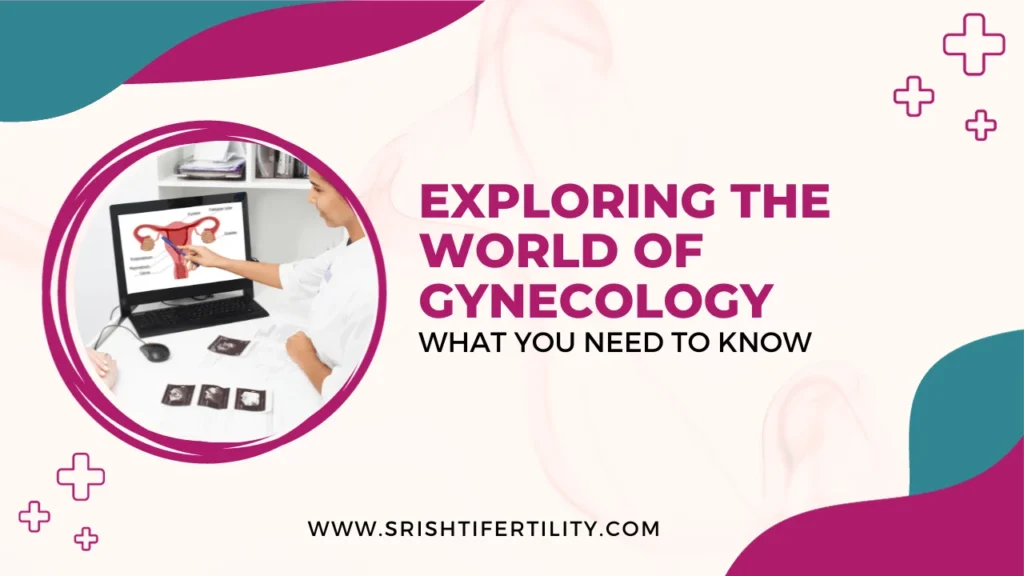
Exploring the World of Gynecology: What You Need to Know Gynecology, often simply referred to as “gynec,” is a crucial branch of medicine that focuses on the female reproductive system and its associated health concerns. In conjunction with obstetrics, it forms the medical specialty known as “Obstetrics and Gynecology.” In this blog, we will dive into the world of gynecology, its importance, and the role of gynecologists in women’s healthcare. We will also explore specialized areas such as cosmetic gynecology and gynecological surgery. What is Gynecology? Gynecology is the medical specialty dedicated to the diagnosis, treatment, and management of various health issues related to the female reproductive system. This field encompasses a wide range of services and care, making gynecologists essential healthcare providers for women of all ages. Gynecologists are highly trained medical professionals who specialize in women’s reproductive health and well-being. The Role of a Gynecologist 1. Routine Examinations: One of the primary responsibilities of a gynecologist is to perform routine check-ups and screenings, such as Pap smears, breast examinations, and pelvic exams. These screenings are crucial for early detection of cervical and breast cancers, as well as other gynecological conditions. 2. Reproductive Health: Gynecologists provide guidance on various aspects of reproductive health, including contraception, family planning, and fertility issues. They can help women make informed decisions about their reproductive choices. 3. Pregnancy Care: While obstetricians primarily handle pregnancy and childbirth, many gynecologists also provide prenatal care. Obstetricians and gynecologists (often referred to as OB/GYNs) are sometimes the same healthcare providers, offering comprehensive care for women’s reproductive health throughout their lives. 4. Menopause Management: Gynecologists assist women in managing the physical and hormonal changes that come with menopause. They can provide guidance on hormone replacement therapy (HRT) and help alleviate menopausal symptoms. Specialized Gynecological Services 1. Cosmetic Gynecology: This emerging field focuses on aesthetic and functional concerns related to the female genitalia. Procedures like labiaplasty, vaginoplasty, and vaginal rejuvenation fall under cosmetic gynecology, aiming to enhance both appearance and sexual function. 2. Gynecological Surgery: Gynecologists are skilled in performing a wide range of surgical procedures to address various conditions. Common gynecological surgeries include hysterectomy (removal of the uterus), myomectomy (removal of uterine fibroids), and ovarian cyst removal. Choosing the Best Gynecologist Selecting the right gynecologist is essential for maintaining optimal reproductive health. The following tips will help you locate the top gynaecologist: 1. Referrals: Ask for recommendations from friends, family members, or your primary care physician. Word-of-mouth referrals can provide valuable insights into a gynecologist’s reputation and patient care. 2. Credentials: Ensure that your chosen gynecologist is board-certified and has the necessary qualifications and training. 3. Comfort and Communication: It’s crucial to feel comfortable discussing your health concerns with your gynecologist. An effective doctor-patient relationship depends on effective communication. 4. Specializations: If you have specific health concerns or are interested in cosmetic gynecology, seek a gynecologist who specializes in those areas. Conclusion Gynecology plays a vital role in women’s health by addressing a wide range of reproductive and gynecological issues. Whether you’re in need of routine screenings, pregnancy care, or specialized procedures like cosmetic gynecology or gynecological surgery, a skilled gynecologist can provide essential care and guidance. Remember to prioritize your reproductive health by choosing the best gynecologist for your needs and maintaining regular check-ups to ensure your well-being throughout life.

Exploring the World of Gynecology: What You Need to Know Read More »

menopause

Navigating Menopause: Understanding Symptoms and Treatment Options

Navigating Menopause: Understanding Symptoms and Treatment Options The menopause, a normal biological process, indicates the end of a woman’s fertile years. It’s a significant milestone in a woman’s life and can bring about a variety of physical and emotional changes. In this blog, we will delve into the topic of menopause, discussing menopause symptoms, perimenopause, night sweats, hormone replacement therapy, and other related keywords. We’ll explore the signs of menopause, early menopause, menopause treatments, and premature menopause, all while sharing insights and advice to help you better understand and manage this transformative phase. The Basics of Menopause Menopause is a term that is commonly used, but what does it really mean? Menopause is the point in a woman’s life when she stops menstruating permanently, typically occurring in her late 40s or early 50s. It signifies the end of the reproductive phase and is confirmed after 12 consecutive months without a menstrual period. However, menopause is not an abrupt event; it is preceded by a transitional phase known as perimenopause. Perimenopause, a stage that can begin in one’s 40s or even earlier, is when the body starts to produce fewer hormones like estrogen and progesterone. During this time, women may experience irregular periods, mood swings, and other menopause symptoms. Perimenopause is often the precursor to full-blown menopause. Common Menopause Symptoms Menopause is a unique experience for every woman, but some symptoms are commonly associated with this life stage. Let’s take a closer look at these menopause symptoms: 1. Hot Flashes: One of the most recognizable symptoms of menopause is hot flashes. These sudden, intense feelings of warmth can be accompanied by sweating and flushing of the face and neck. 2. Night Sweats: Similar to hot flashes, night sweats can disrupt sleep patterns. They involve sudden episodes of sweating during the night, often causing discomfort and sleep disturbances. 3. Mood Swings: Hormonal changes can lead to mood swings, irritability, and emotional ups and downs. These mood swings can be challenging to manage but are a common part of the menopausal experience. 4. Irregular Periods: As mentioned earlier, perimenopause often brings irregular periods. These can vary in frequency and intensity, making it difficult to predict when menstruation will occur. 5. Vaginal Dryness: Decreased estrogen levels can result in vaginal dryness and discomfort during intercourse. It’s essential to address this issue to maintain sexual health and intimacy. 6. Weight Gain: Many women notice changes in their body composition during menopause, with a tendency to gain weight, particularly around the abdomen. 7. Sleep Disturbances: Night sweats and other menopause-related symptoms can make it challenging to get a good night’s sleep, leading to fatigue and other health issues. 8. Memory and Concentration Issues: Some women report cognitive changes, such as memory lapses and difficulty concentrating, during menopause. 9. Hair and Skin Changes: Changes in hormone levels can affect the condition of your hair and skin. This may include hair thinning, dry skin, and increased facial hair growth. 10. Urinary Problems: Menopause can lead to urinary issues like incontinence or frequent urination due to changes in the urinary tract. Signs of Menopause Recognizing the signs of menopause is crucial for understanding and managing this life transition. Apart from the common symptoms mentioned above, there are other signs that indicate the onset of menopause. These include: 1. Changes in Menstrual Cycle: Irregular periods or a complete absence of menstruation for at least a year. 2. Age: Menopause typically occurs between the ages of 45 and 55, with the average age being around 51 in the United States. 3. Family History: A family history of early menopause may increase the likelihood of experiencing menopause at a younger age. 4. Hormonal Changes: Blood tests can confirm hormonal changes, such as decreased estrogen and elevated follicle-stimulating hormone (FSH) levels. 5. Bone Health: Reduced estrogen levels can lead to decreased bone density, which may be detected through bone density scans. Understanding these signs can help women prepare for menopause and seek appropriate care if needed. Early Menopause and Its Symptoms While menopause typically occurs in a woman’s late 40s or early 50s, some women experience early menopause. Early menopause, defined as menopause before the age of 40, can be accompanied by its unique set of symptoms. Let’s explore early menopause symptoms and why it occurs: 1. Hot Flashes and Night Sweats: Just like menopause at the typical age, early menopause can bring on hot flashes and night sweats. 2. Irregular Periods: Women experiencing early menopause may notice irregular periods or a sudden cessation of menstruation. 3. Emotional Changes: Mood swings and emotional ups and downs can be more pronounced in cases of early menopause. 4. Vaginal Dryness: Vaginal dryness and discomfort can also occur earlier than expected. 5. Bone Health: Early menopause can pose a higher risk to bone health, increasing the likelihood of osteoporosis. 6. Fertility Concerns: Early menopause can lead to infertility, which can be emotionally challenging for women who had plans for future pregnancies. Managing Menopause The good news is that there are various ways to manage and alleviate menopause symptoms. Here are some strategies and menopause treatments to consider: 1. Lifestyle Changes: Adopting a healthy lifestyle can make a significant difference. Regular exercise, a balanced diet, and stress management techniques can help reduce the severity of symptoms. 2. Hormone Replacement Therapy (HRT): HRT involves the use of estrogen and, in some cases, progesterone to replace the hormones that the body is no longer producing in sufficient quantities. This can help alleviate symptoms like hot flashes, mood swings, and vaginal dryness. HRT should, however, be examined with a physician because it is not suitable for everyone. 3. Alternative Therapies: Some women find relief through alternative therapies like acupuncture, herbal supplements, or mind-body practices like yoga and meditation. 4. Vaginal Estrogen: For vaginal dryness and discomfort, vaginal estrogen treatments, such as creams, rings, or tablets, can be effective. 5. Prescription Medications: In some cases, prescription medications may be recommended to address specific symptoms like mood swings or sleep disturbances.

Navigating Menopause: Understanding Symptoms and Treatment Options Read More »

How to cure from Pelvic Pain

Empowering Solutions: Effective Strategies for the Management of Pelvic Pain

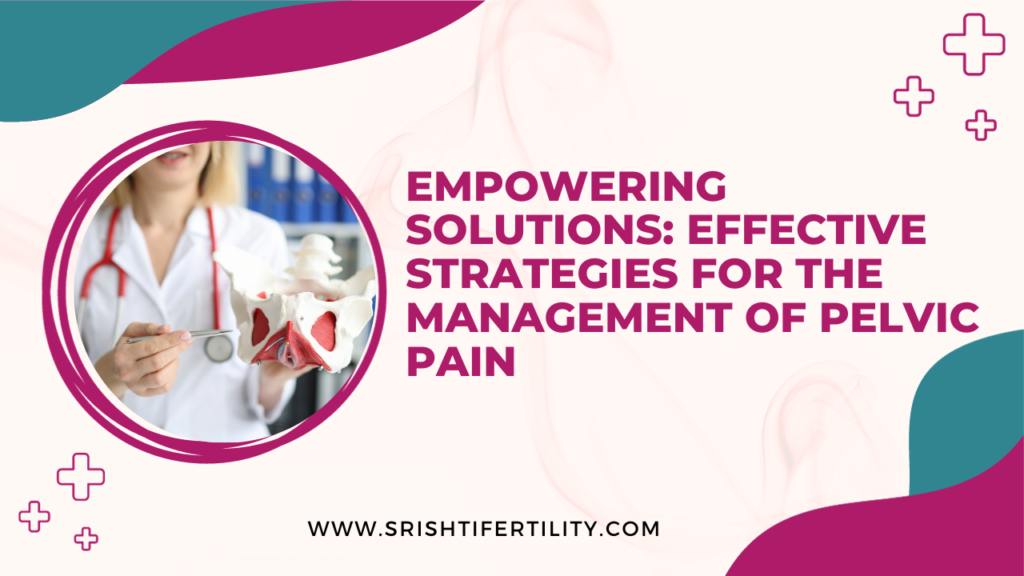
Empowering Solutions: Effective Strategies for the Management of Pelvic Pain Pelvic pain is a distressing and often debilitating condition that affects many individuals, both men and women, at some point in their lives. It can manifest in various forms, ranging from a dull ache in the pelvic area to sharp, stabbing pains. In this comprehensive guide, we’ll delve into the intricacies of pelvic pain, covering its causes, symptoms, and potential treatments. Whether you’re experiencing pelvic pain yourself or seeking information for a loved one, this article aims to provide valuable insights into this common yet often misunderstood condition. Anatomy of the Pelvic Area Before delving into the complexities of pelvic pain, it’s essential to understand the anatomy of the pelvic region. The pelvis is a basin-shaped structure located in the lower part of the abdomen, consisting of several bones, muscles, and organs. Key components of the pelvis include the pubic bone and pubic symphysis, which are integral to its structural stability. Common Symptoms of Pelvic Pain Pelvic pain can manifest in numerous ways, making it a challenging condition to diagnose and manage. These are some common indications and signs of pelvic pain: 1. Dull or Aching Sensation: Many individuals with pelvic pain report a persistent, dull ache in the pelvic area. This discomfort can vary in intensity and may be continuous or intermittent. 2. Sharp or Stabbing Pain: Some people experience sharp, stabbing pains that can be severe and sudden. This kind of discomfort may be really upsetting. 3. Lower Abdominal Discomfort: Pelvic pain often presents as lower abdominal pain, and it may be challenging to pinpoint its exact location. 4. Pain During Activities: Pelvic pain may worsen during specific activities, such as walking, sitting for extended periods, or sexual intercourse. Causes of Pelvic Pain Pelvic pain can arise from a wide range of underlying causes, some of which include: 1. Pelvic Congestion Syndrome: This condition occurs when blood pools in the pelvic veins, causing a dull, aching pelvic ache. It is more common in women, often associated with hormonal changes. 2. Pelvic Inflammatory Disease (PID): PID results from the infection and inflammation of the female reproductive organs. It can cause severe pelvic pain and must be treated promptly. 3. Pregnancy-Related Pelvic Pain: Pregnancy can exert pressure on the pelvis, leading to discomfort. Conditions like uterine fibroids or round ligament pain can also contribute to pelvic pain during pregnancy. 4. Gynecological Issues: Conditions such as endometriosis, ovarian cysts, and uterine fibroids can lead to chronic pelvic pain in women. 5. Musculoskeletal Problems: Injuries or inflammation of the muscles, ligaments, or joints in the pelvic area can result in pelvic pain. 6. Digestive Disorders: Conditions like irritable bowel syndrome (IBS) and constipation can cause referred pelvic pain. Diagnosing Pelvic Pain Diagnosing the cause of pelvic pain often involves a comprehensive medical evaluation. Your healthcare provider may use a combination of techniques, including: 1. Medical History: A detailed discussion of your symptoms, medical history, and lifestyle factors. 2. Physical Examination: Your healthcare provider may perform a physical exam, including a pelvic exam, to assess for any physical abnormalities. 3. Imaging: Ultrasound, MRI, or CT scans can help identify structural issues within the pelvis. 4. Blood Tests: These may be conducted to check for signs of infection or inflammation. 5. Laparoscopy: In some cases, a minimally invasive surgical procedure called laparoscopy may be necessary to visualize the pelvic organs directly. Treatment and Management Depending on the underlying reason, there are many treatments for pelvic discomfort. Some common management strategies include: 1. Medications: Pain relievers, anti-inflammatory drugs, and antibiotics may be prescribed based on the cause of your pelvic pain. 2. Physical Therapy: Pelvic floor physical therapy can be effective for musculoskeletal causes of pelvic pain. 3. Lifestyle Changes: Making adjustments to your daily activities, such as avoiding triggers and maintaining good posture, can alleviate pelvic pain. 4. Surgery: In cases of severe structural issues or gynecological conditions, surgical intervention may be necessary. Conclusion: Pelvic pain can be a challenging and distressing condition, but it’s important to remember that it is treatable. By seeking medical evaluation and working closely with healthcare providers, individuals with pelvic pain can find relief and regain their quality of life. If you or someone you know is experiencing persistent pelvic pain, don’t hesitate to seek professional medical advice. With the right diagnosis and treatment plan, pelvic pain can be managed effectively, allowing you to live a pain-free life in your pelvic region.

Empowering Solutions: Effective Strategies for the Management of Pelvic Pain Read More »

Scroll to Top

Meet Our Experts

SUBMIT YOUR QUERY


BOOK VACCINATION


BOOK A SCAN


BOOK A VIDEO CONSULTATION


BOOK AN APPOINTMENT