
What Are the 4 Phases of Menstrual Cycle?
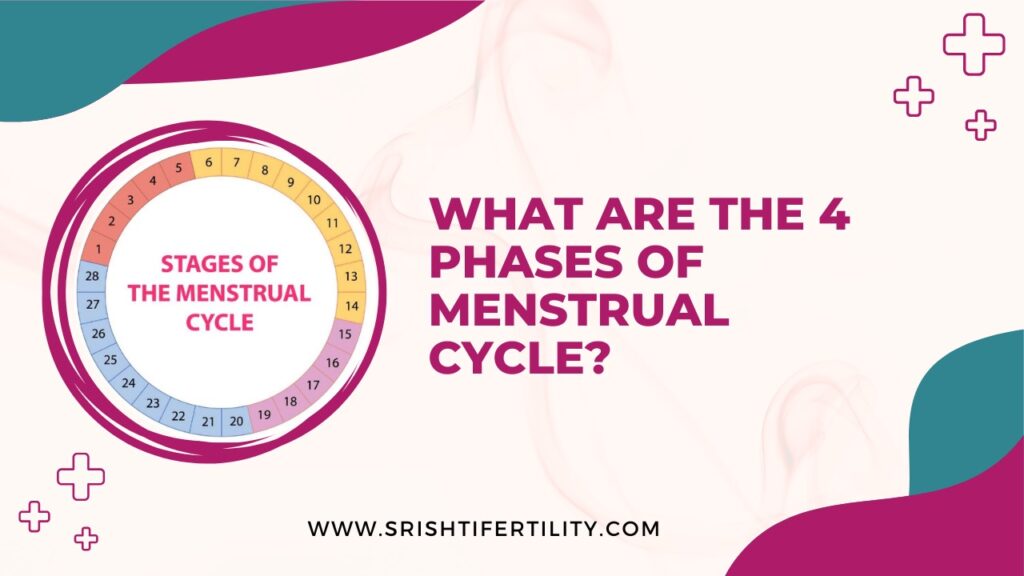
The menstrual cycle is a natural and vital process in a woman’s reproductive system. Understanding its four phases can help you track your cycle, manage symptoms, and maintain overall well-being. Let’s dive into the 4 Phases of Menstrual Cycle and how they affect your body. Understanding the Menstrual Cycle The menstrual cycle is more than just the days you experience your period. It is a 28-day cycle (on average) that helps regulate reproductive functions. However, it can range anywhere between 21 to 35 days, depending on individual health factors. Hormones like estrogen, progesterone, luteinizing hormone (LH), and follicle-stimulating hormone (FSH) play a crucial role in these changes. These hormones regulate ovulation, menstruation, and overall reproductive health. By understanding the menstrual cycle, women can make informed decisions about their health, track fertility, and manage symptoms of hormonal imbalances. The 4 Phases of Menstrual Cycle 1. Menstrual Phase (Day 1-5) This is the phase most people are familiar with – the period. It begins when the uterine lining sheds, leading to bleeding. Symptoms like cramps, fatigue, and mood swings are common. Common Symptoms During Menstrual Phase: How to Manage Menstrual Discomfort? 2. Follicular Phase (Day 1-13) The follicular phase overlaps with the menstrual phase and continues until ovulation. The brain releases follicle-stimulating hormone (FSH), stimulating the ovaries to produce follicles. One follicle will mature into an egg, and estrogen levels rise, improving skin health and energy levels. How to Boost Follicular Health? If you experience irregular ovulation or delayed cycles, you might want to try an exercise to get periods immediately and consult a doctor if the problem persists. 3. Ovulatory Phase (Day 14) Ovulation is the shortest but most crucial phase. The mature egg is released from the ovary and is ready for fertilization. Some women experience mild pelvic pain, increased libido, and clear cervical mucus during this time. Signs of Ovulation: Tracking ovulation is essential for those trying to conceive or avoid pregnancy. If you’re experiencing irregular ovulation, you might want to explore the difference between PCOS and PCOD to understand how hormonal imbalances could be affecting your cycle. 4. Luteal Phase (Day 15-28) After ovulation, progesterone levels rise, preparing the uterus for a possible pregnancy. If fertilization doesn’t occur, progesterone drops, leading to the next menstrual phase. Symptoms like bloating, mood swings, and fatigue are common in premenstrual syndrome (PMS). Common PMS Symptoms: Managing stress, eating balanced meals, and staying active can help ease PMS symptoms. If symptoms are severe, consulting the best gynaecologist in Jaipur can provide insights into possible underlying conditions like PCOS or PCOD. Common Menstrual Health Issues While the menstrual cycle is natural, some women experience irregularities. Here are common menstrual health issues and their symptoms: 1. PCOS vs. PCOD – What’s the Difference? Many people confuse PCOS (Polycystic Ovary Syndrome) and PCOD (Polycystic Ovary Disorder), but they are different conditions: If you experience symptoms like excessive hair growth, acne, weight gain, or irregular cycles, you should consult a best gynaecologist in Jaipur for diagnosis and treatment. 2. Amenorrhea (Absence of Periods) Amenorrhea refers to the absence of menstruation for several months. It can be caused by: 3. Dysmenorrhea (Painful Periods) Severe menstrual cramps can impact daily life. Some ways to relieve painful periods include heat therapy, hydration, and gentle stretching. Best Exercises to Get Periods Immediately If your period is delayed, certain exercises can help regulate your cycle: How to Maintain a Healthy Menstrual Cycle? Conclusion The 4 Phases of Menstrual Cycle play a crucial role in female reproductive health. Tracking these phases can help manage symptoms, improve fertility awareness, and maintain overall well-being. If you experience irregular cycles, severe cramps, or hormonal imbalances, seeking medical advice is essential. Whether it’s understanding the difference between PCOS and PCOD or finding the best gynaecologist in Jaipur, taking control of your menstrual health is empowering!
What Are the 4 Phases of Menstrual Cycle? Read More »